
UK regulator bans stem-cell treatment ads as “misleading”
The UK advertising watchdog has banned ads from four companies promoting stem-cell treatment for autism in children, ruling them misleading.

The UK advertising watchdog has banned ads from four companies promoting stem-cell treatment for autism in children, ruling them misleading.
The Advertising Standards Authority (ASA) issued the rulings on specific ads by three Turkish companies (Linden Stem Cell, Rumi Pulse Medical Tourism Agency and You Clinic Turkey) and one Serbian company (Swiss Medica XXI Century).
The rulings cover five ads that appeared in 2026 on Google and Meta platforms (including Facebook and Instagram) in the UK.
An ASA spokesperson said the regulator received a complaint from a member of the public about one of the ads, which prompted it to examine whether other clinics were making similar claims.
“We found that such claims were being made. Given the vulnerability of the audience and the potential for serious harm and detriment from misleading claims about treating autism, we launched a number of proactive investigations,” the spokesperson said.
The spokesperson added that the banned ads are the latest examples of “ads making claims to cure or treat autism without sufficient evidence.”
Other examples previously investigated and banned by the ASA include autism-related ads for food supplements and other products.
Source: BMJ
This article is for educational and informational purposes only and is not a substitute for advice, diagnosis or treatment by a physician or pharmacist.
Original Persian text: meshcutpharmed.com
Related posts

Is heart damage from anabolic steroids reversible?
According to a longitudinal study with 6 to 8 years of follow-up, long-term use of anabolic-androgenic steroids (AAS) in male strength athletes is associated with persistent cardiac…
Read more
Fibroid drug relugolix may act as a contraceptive
According to research presented at the American Society for Reproductive Medicine (ASRM) 2026 meeting, relugolix (Orgovyx) — used in combination with estradiol and norethindrone acetate to…
Read more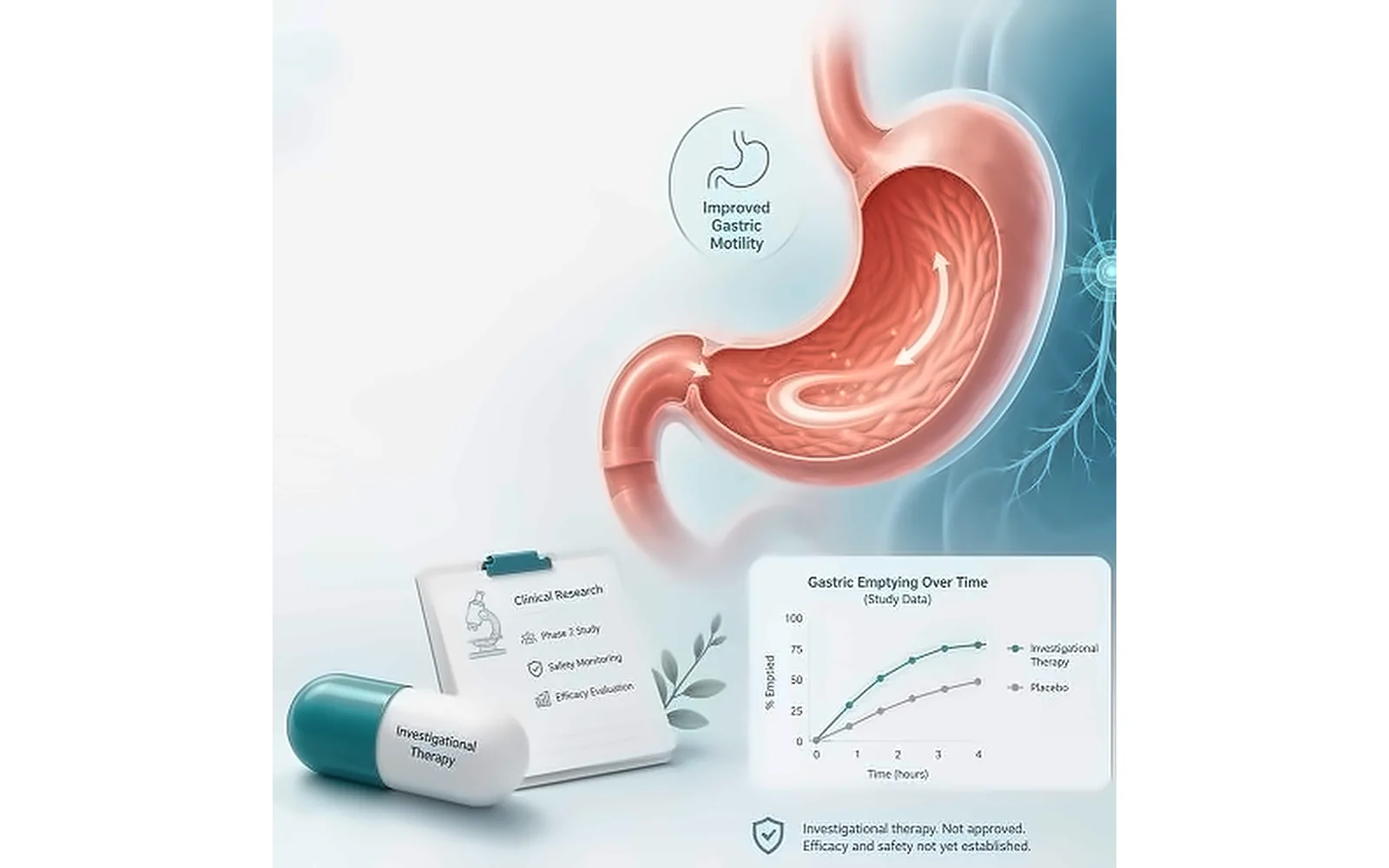
Naronapride eases gastroparesis symptoms in phase 2 trial
In a phase 2b trial, naronapride — an investigational dual-action prokinetic given at 20 or 40 mg three times daily for 12 weeks — led to significantly greater improvement in core symptoms…
Read more