
Is heart damage from anabolic steroids reversible?
According to a longitudinal study with 6 to 8 years of follow-up, long-term use of anabolic-androgenic steroids (AAS) in male strength athletes is associated with persistent cardiac…
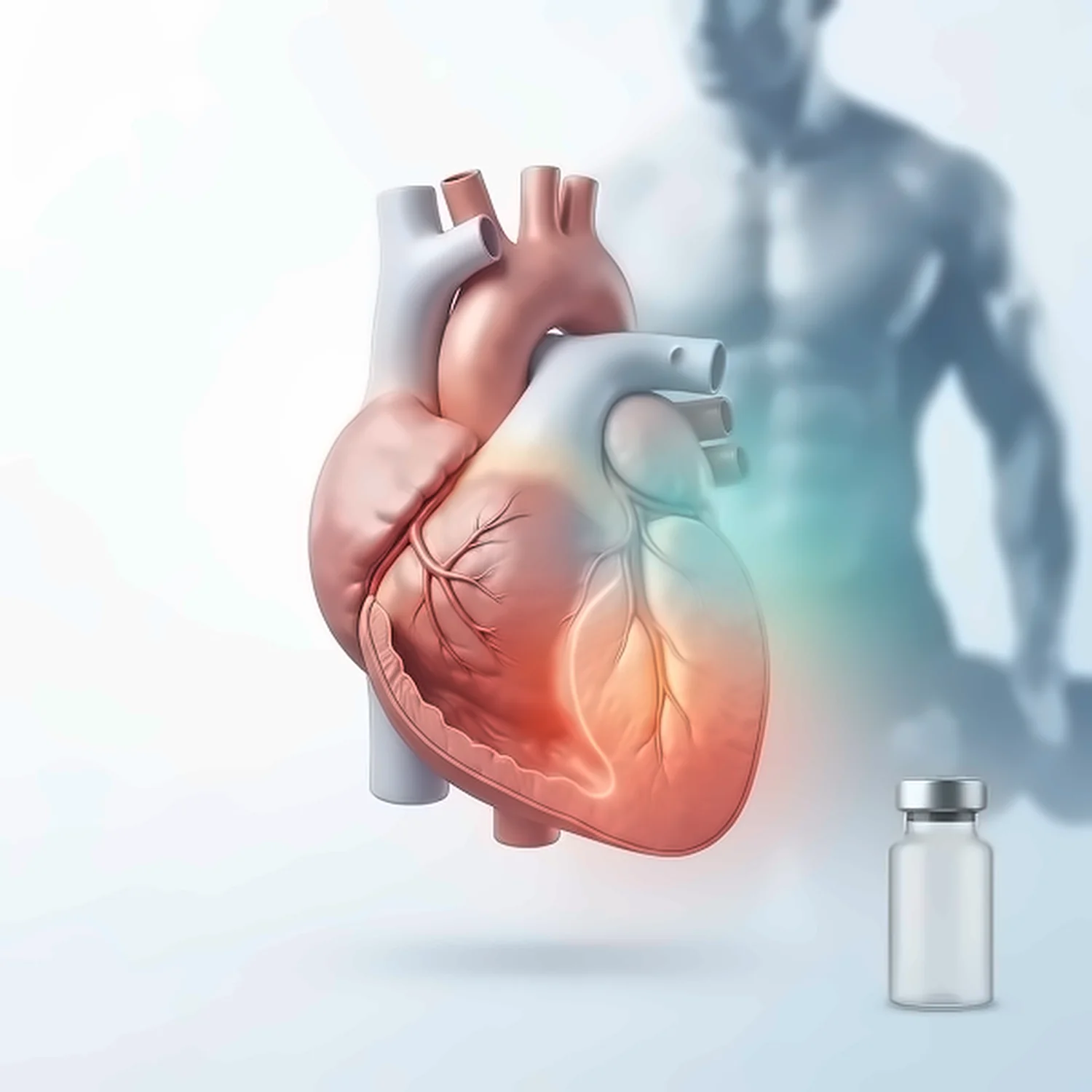
According to a longitudinal study with 6 to 8 years of follow-up, long-term use of anabolic-androgenic steroids (AAS) in male strength athletes is associated with persistent cardiac abnormalities, although some of these changes may improve after use stops. The findings, published in European Heart Journal – Cardiovascular Imaging, also show that treating high blood pressure is associated with improved left-ventricular systolic function in men who continue to use AAS.
Dr. Vibeke M. Almaas, a senior consultant at the ProCardio Center for Innovation (Department of Cardiology, Oslo University Hospital, Norway), who led the study, said: “Continued AAS use in adult and middle-aged men engaged in strength training, even at lower doses, was associated with persistent thickening of the heart muscle, impaired contraction and worsening relaxation of the heart muscle. Among men who continued AAS, severe cardiac dysfunction was reported in 17% of cases. However, these changes were reversible if the men stopped AAS and abstained over the long term.”
These findings add to existing evidence on the risks of non-medical AAS use. Use of these substances is associated with dependence, metabolic and hormonal disorders and liver damage. There is also evidence of adverse effects on other organs, particularly the heart and blood vessels. However, few studies have followed AAS users over a long period.
Read more: Medscape
This article is for educational and informational purposes only and is not a substitute for advice, diagnosis or treatment by a physician or pharmacist.
Original Persian text: meshcutpharmed.com
Related posts

UK regulator bans stem-cell treatment ads as “misleading”
The UK advertising watchdog has banned ads from four companies promoting stem-cell treatment for autism in children, ruling them misleading.
Read more
Fibroid drug relugolix may act as a contraceptive
According to research presented at the American Society for Reproductive Medicine (ASRM) 2026 meeting, relugolix (Orgovyx) — used in combination with estradiol and norethindrone acetate to…
Read more
Naronapride eases gastroparesis symptoms in phase 2 trial
In a phase 2b trial, naronapride — an investigational dual-action prokinetic given at 20 or 40 mg three times daily for 12 weeks — led to significantly greater improvement in core symptoms…
Read more