
Supplements and wellness products during cancer care
Many people with cancer consider supplements or wellness products during treatment. Some hope to improve energy, support the immune system, reduce treatment side effects or feel more in…
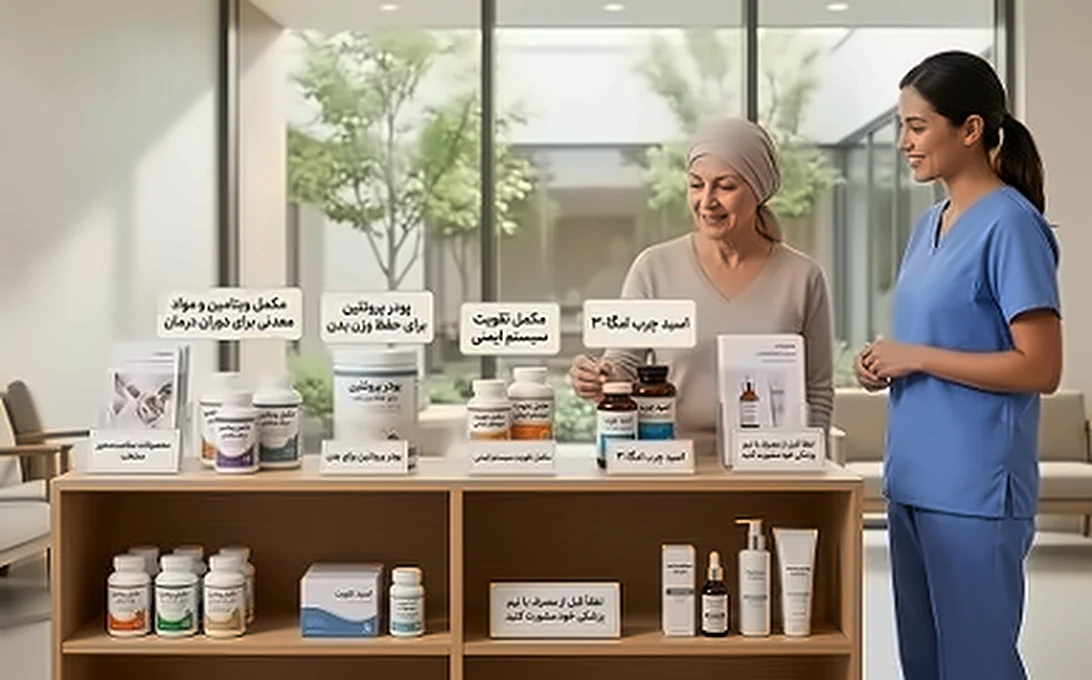
Many people with cancer consider supplements or wellness products during treatment. Some hope to improve energy, support the immune system, reduce treatment side effects or feel more in control during a difficult time. These products may include herbal supplements, detox cleanses, high-dose vitamin infusions or products marketed online as immune boosters or natural wellness products. Questions about them are common and understandable. Some supplements may be safe or helpful in specific situations, while others can interfere with treatment, increase side effects or add unnecessary costs without clear evidence of benefit. Open conversations with the oncology team can help patients make informed decisions.
Why “natural” does not always mean safe
Many wellness products are marketed as natural, but even products that seem gentle or harmless can still change how the body works in important ways. Some supplements may make cancer treatments work less well, change how the liver or kidneys process medicines, increase bleeding risk during surgery or procedures, and increase side effects when combined with cancer treatment. For example, St John’s wort, an herbal supplement sometimes used to improve mood, can affect how certain cancer drugs work by changing how the body processes them.
This does not mean all supplements are harmful. In some situations, the oncology team may recommend vitamins or nutritional support products, especially for patients with vitamin deficiencies, poor nutrition or weight loss. The key question is whether a product is safe and appropriate for the patient’s specific treatment plan.
Why it is hard to know whether products are safe
Many health and wellness products are heavily promoted online and on social media with labels such as “immune booster,” “detox” or “anti-inflammatory.” However, these claims are often based on limited scientific evidence, and not all products have been carefully studied in people undergoing cancer treatment. Unlike prescription medicines, supplements are not required to prove their effectiveness before reaching the market. Quality and ingredients may vary between brands. Some products may contain amounts of ingredients different from those on the label, combine several supplements in one product or contain substances that interact with cancer medicines; unproven claims about treating or preventing cancer may also be made about them.
Common wellness products patients ask about
Patients may ask about multivitamins, herbal supplements, high-dose intravenous vitamin C, detox programs, protein powders and other immune-boosting products sold online. Some products may be reasonable in certain situations, while others may carry greater risks. Safety often depends on the type of cancer, the treatment being given, other medicines being taken and liver or kidney function.
Patients can also support their care by keeping an up-to-date list of prescription medicines, over-the-counter drugs, vitamins, supplements and wellness products; bringing product containers or photos of their labels to appointments; telling the care team which symptoms or concerns they hope to improve; and asking before starting any new supplement or product.
The information and recommendations on this page are appropriate in most cases but are not a substitute for medical diagnosis. For specific information about your own medical condition, the Meshkat Scientific Council recommends that you consult your physician. Physicians and other health professionals may download or copy this page to share with patients for non-commercial purposes.
Source: PubMed
This article is for educational and informational purposes only and is not a substitute for advice, diagnosis or treatment by a physician or pharmacist.
Original Persian text: meshcutpharmed.com
Related posts
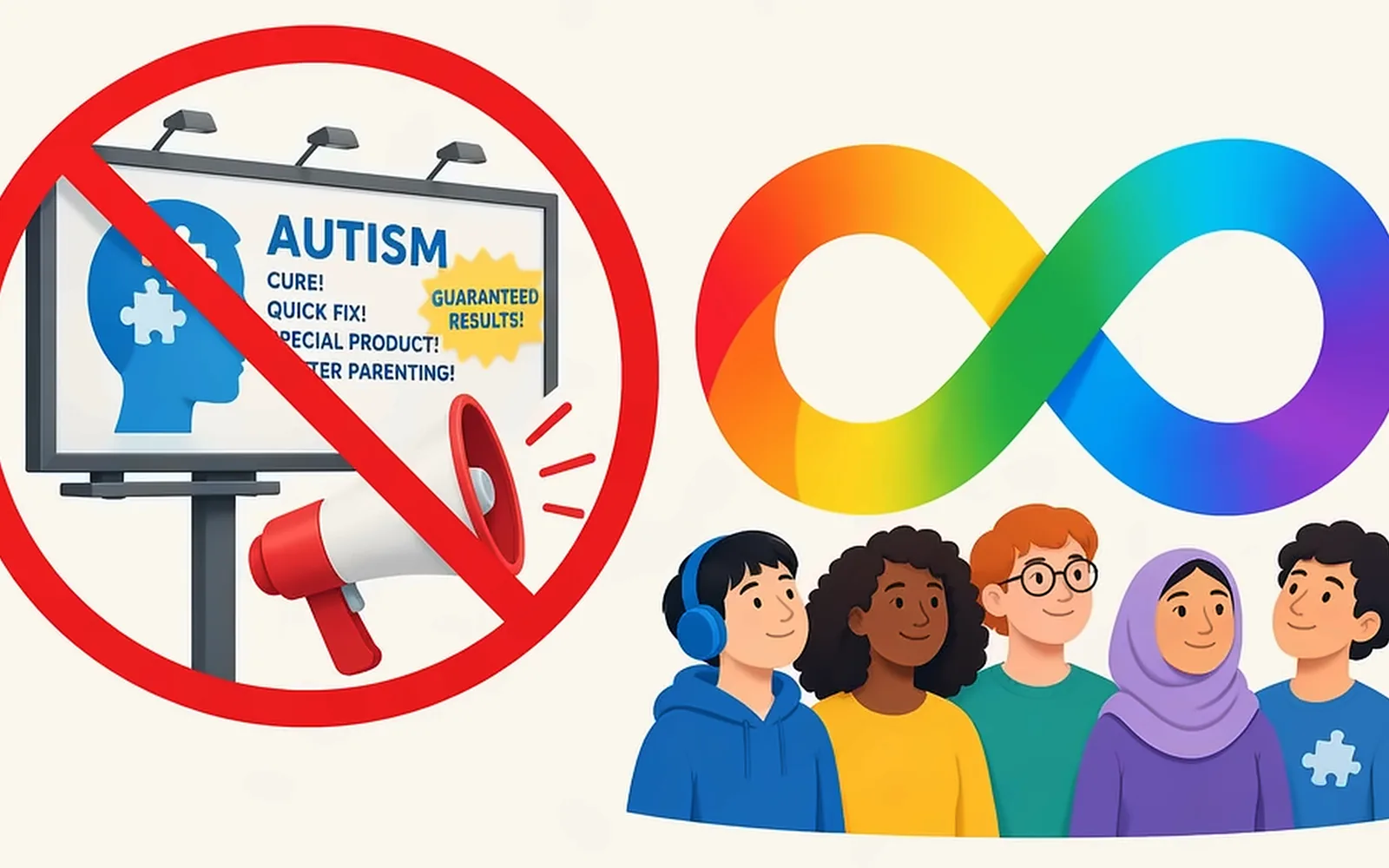
UK regulator bans stem-cell treatment ads as “misleading”
The UK advertising watchdog has banned ads from four companies promoting stem-cell treatment for autism in children, ruling them misleading.
Read more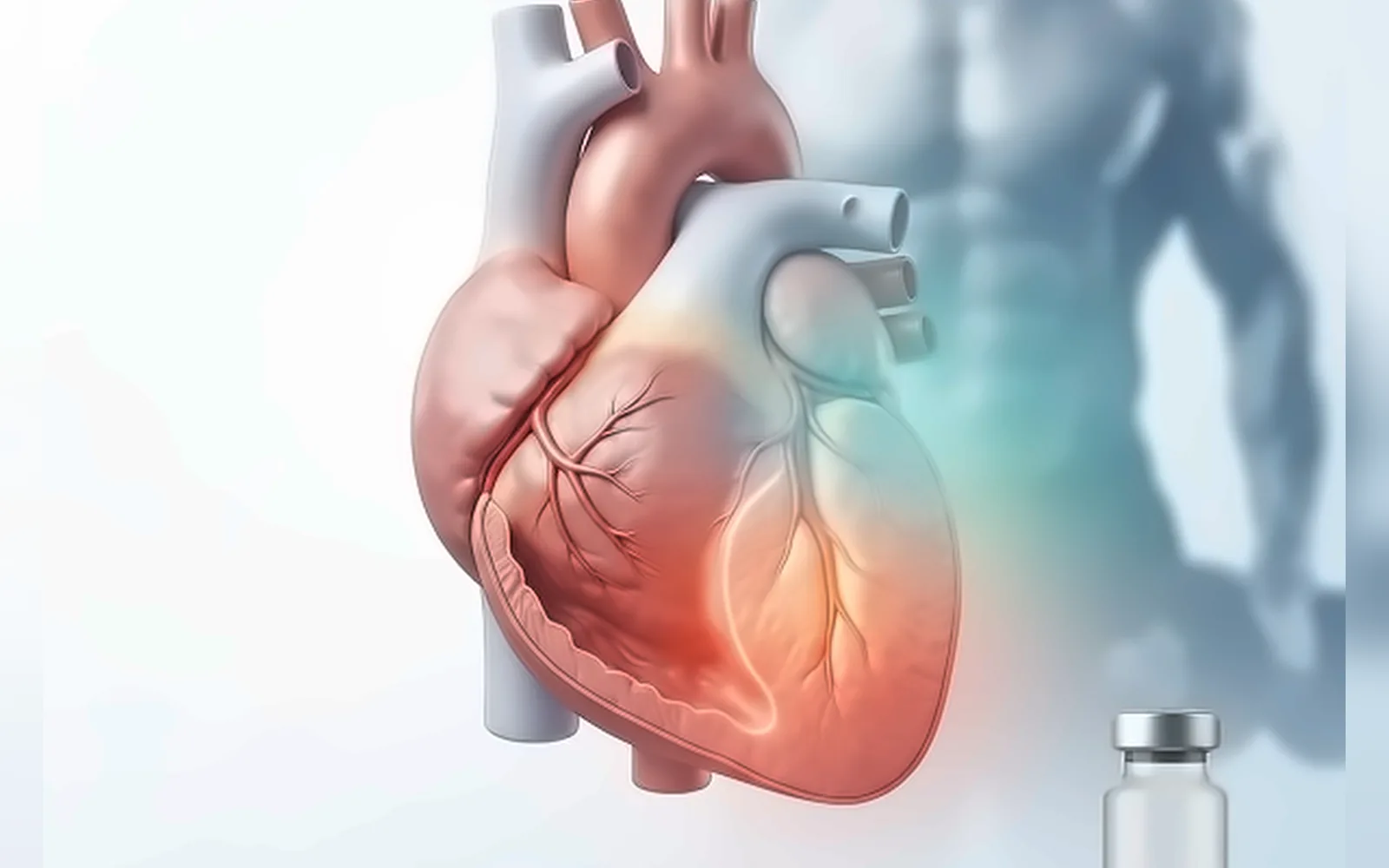
Is heart damage from anabolic steroids reversible?
According to a longitudinal study with 6 to 8 years of follow-up, long-term use of anabolic-androgenic steroids (AAS) in male strength athletes is associated with persistent cardiac…
Read more
Fibroid drug relugolix may act as a contraceptive
According to research presented at the American Society for Reproductive Medicine (ASRM) 2026 meeting, relugolix (Orgovyx) — used in combination with estradiol and norethindrone acetate to…
Read more