
From sleep to vaccination: what really helps your immune system?
When it comes to preventing disease, the phrase “boosting the immune system” is almost everywhere — from ads for supplements and herbal teas to advice on social media. But can a single pill…

When it comes to preventing disease, the phrase “boosting the immune system” is almost everywhere — from ads for supplements and herbal teas to advice on social media. But can a single pill or a particular food really make the body resistant to infections?
The scientific answer is a little different: the goal is not to make the immune system endlessly stronger, but to keep it working in a balanced and effective way. To achieve this, vaccination, enough sleep, good nutrition and physical activity usually matter more than so-called “immune boosters.”
In this article we look at which measures are backed by science, where supplements fit in, and when it is necessary to see a doctor about immune health.
How does the immune system protect the body?
The immune system is a network of cells, tissues and organs that recognizes pathogens and helps contain them. Its function can be described in two parts:
Innate immunity is the body’s first line of defense. The skin, the mucous membranes of the respiratory and digestive tracts and cells such as neutrophils and macrophages belong to this part. The innate response is fast but less specific.
Acquired, or adaptive, immunity involves B and T cells and produces a more specific response. Some of these cells form immune memory, which is why the body can respond faster and more effectively the next time it meets the same pathogen. Vaccines use this very feature.
The immune system must also distinguish dangerous agents from the body’s own tissues and from many harmless substances. An excessive or misplaced reaction can play a role in allergies, damaging inflammation and autoimmune diseases. So being “more active” does not always mean being “healthier.”
1. Enough sleep: an important part of immune care
Sleep is not just rest. Many hormonal, metabolic and immune processes are linked to sleep. Sleep deprivation and persistent sleep disorders can disrupt the regulation of immune and inflammatory responses. Studies have also shown that insufficient sleep may be associated with greater susceptibility to some infections and a weaker response to some vaccines.
Most adults need about 7 to 9 hours of sleep a night, although needs vary with age and health.
To sleep better:
- Keep your sleep and wake times as consistent as possible.
- Make your bedroom dark, quiet and fairly cool.
- Limit caffeine in the hours before bed.
- If you have loud snoring, pauses in breathing during sleep or daytime sleepiness, get checked for a sleep disorder.
Enough sleep does not guarantee you will not get sick, but it is one of the foundations of general health and normal immune function.
2. Vaccination: targeted training for the immune system
Vaccination is one of the most effective ways to prevent some infectious diseases and their severe complications. A vaccine introduces the immune system to a pathogen or its components so that it is better prepared the next time.
Unlike general supplements, a vaccine’s effect is targeted and specific. The level and duration of protection and the need for booster doses depend on the vaccine and the individual.
A vaccination schedule should be based on age, vaccination history, underlying conditions, pregnancy, occupation, travel and local guidelines. People with immunodeficiency or taking immunosuppressive medicines should consult their doctor about which vaccines to receive and when; some live vaccines are not suitable for them.
Good nutrition, exercise and supplements are not substitutes for vaccination.
3. A varied diet, not a miracle food
The immune system needs enough energy, protein and micronutrients to build and run its defense cells. Malnutrition or deficiencies in certain nutrients can impair its function, but no single food can prevent all infections on its own.
A healthy eating pattern usually includes:
- a variety of vegetables and fruit;
- legumes and whole grains;
- protein sources such as fish, eggs, lean meat, dairy or suitable alternatives;
- nuts, seeds and unsaturated fats.
It is also best to limit salt, added sugars and highly processed foods.
Very restrictive diets and rapid weight loss can lead to inadequate nutrient intake. By contrast, a lasting improvement in eating habits is usually more useful than adding a “superfood” or an expensive supplement.
4. Regular physical activity, matched to your ability
Physical activity supports heart health, blood-sugar control, sleep quality and mental health, and can also have a positive effect on inflammation and immune function.
For most adults, the World Health Organization recommends:
- 150 to 300 minutes of moderate-intensity aerobic activity a week, or 75 to 150 minutes of vigorous activity;
- muscle-strengthening exercise on at least two days a week;
- reducing long periods of sitting.
Brisk walking, cycling and swimming are good examples. If you are inactive, start with short sessions and build up gradually.
More exercise is not always better. Heavy training without enough sleep, nutrition and recovery can harm health. Vigorous exercise should also be avoided during fever or acute illness.
5. Managing stress: part of care, not a miracle cure
Long-term stress can affect sleep, eating behavior and the regulation of immune responses. However, this does not mean that every infection is caused by stress or that positive thinking can prevent disease.
Physical activity, social connection, calm breathing exercises, mindfulness and psychological support can help manage stress. If anxiety or psychological pressure is disrupting daily life, professional help matters.
6. Take tobacco, alcohol and underlying conditions seriously
Cigarette smoke damages the respiratory tract’s defensive barrier and is associated with a higher risk of some infections. Quitting tobacco and avoiding second-hand smoke are effective steps for health. Harmful alcohol use can also damage nutrition, organs and immune function.
Controlling conditions such as diabetes, addressing malnutrition and taking prescribed medicines correctly are also important. If a medicine affects the immune system, do not stop or reduce it on your own; any change in treatment should be made under medical supervision.
What do supplements really do?
With supplements, three questions should be kept apart: treating a deficiency, preventing infection and shortening the duration of symptoms. A supplement that works for one of these does not necessarily work for the others.
Vitamin D: essential for bone health and normal body function, including immunity. Correcting a deficiency matters, but the evidence that supplements prevent respiratory infections is inconsistent, and high doses are not recommended for everyone.
Vitamin C: regular use usually does not prevent colds in the general population, but it may slightly shorten them. Starting it after symptoms begin has not shown a consistent, reliable benefit.
Zinc: some oral products, taken early, may shorten a cold, but results depend on the product and dose, and side effects such as nausea can occur. Intranasal zinc products should not be used because of the risk of losing the sense of smell.
Probiotics and herbal products: study results vary, and any effect depends on the strain, formulation, dose and user group. Not all products can be considered effective or suitable for everyone.
Taking large amounts of supplements is not without risk: too much vitamin D can raise blood calcium, and long-term high-dose zinc may cause copper deficiency. If you are pregnant, have an underlying condition or take medicines, consult a doctor or pharmacist about supplements.
Myth or fact?
“Catching a cold means your immune system is weak.” Not necessarily. Healthy people also get common infections, and the level of exposure to pathogens matters.
“Natural products are always safe.” No. Herbal products can also cause side effects, allergies or drug interactions.
“A simple test can measure the strength of your immune system.” No. Immune assessment is based on symptoms, medical history and targeted tests; no single number expresses “immune strength.”
When should you see a doctor?
Severe, unusual, prolonged or recurrent infections — especially if they require hospitalization or come with unintended weight loss, persistent fever or recurrent thrush — need to be investigated. These signs do not necessarily mean immunodeficiency, but they should not be treated with supplements alone.
Summary
For a healthy immune system, instead of searching for a miracle product, focus on reliable measures: vaccination appropriate to your situation, enough sleep, a varied diet, regular physical activity, quitting tobacco and looking after underlying conditions.
Handwashing, good ventilation and following prevention advice during outbreaks of respiratory illness also matter because they reduce exposure to pathogens, even if they do not directly “boost” the immune system.
This article is for general education and is not a substitute for medical assessment.
Dr. Majid Amani, member of the Meshkat Scientific Council
This article is for educational and informational purposes only and is not a substitute for advice, diagnosis or treatment by a physician or pharmacist.
Original Persian text: meshcutpharmed.com
Related posts
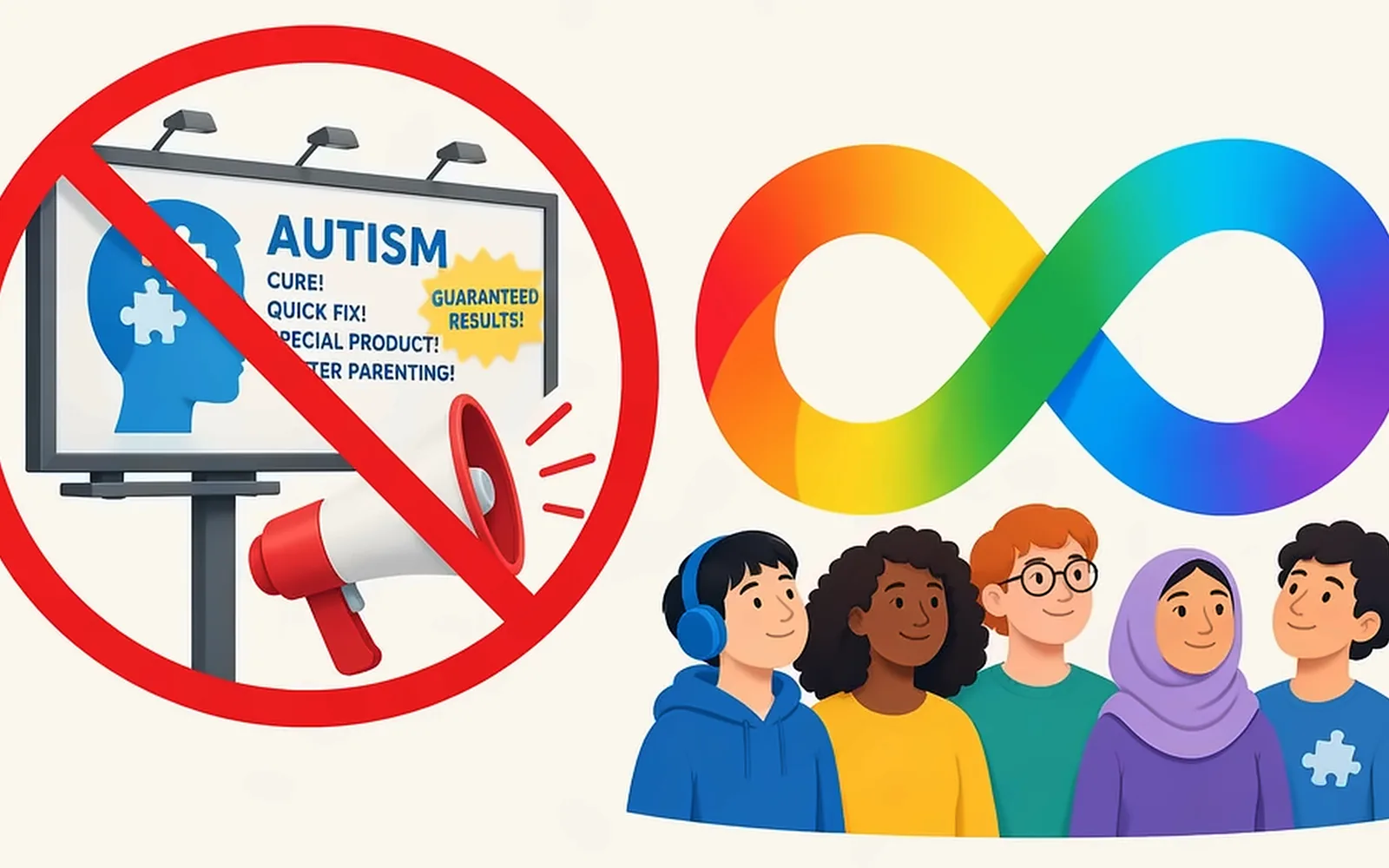
UK regulator bans stem-cell treatment ads as “misleading”
The UK advertising watchdog has banned ads from four companies promoting stem-cell treatment for autism in children, ruling them misleading.
Read more
Is heart damage from anabolic steroids reversible?
According to a longitudinal study with 6 to 8 years of follow-up, long-term use of anabolic-androgenic steroids (AAS) in male strength athletes is associated with persistent cardiac…
Read more
Fibroid drug relugolix may act as a contraceptive
According to research presented at the American Society for Reproductive Medicine (ASRM) 2026 meeting, relugolix (Orgovyx) — used in combination with estradiol and norethindrone acetate to…
Read more